
Baseball Caps Factory: Crafting Custom Headwear From Start to Finish
2026-08-16
Ever wondered what really happens inside a baseball caps factory before a custom cap lands on your head? It’s not just slapping a logo on fabric—it’s a sequence of deliberate choices, from fabric weight and brim curve to stitch density and sweatband feel. At 4ugear, we pull back the curtain on that entire journey, start to finish. No jargon, just the real process behind headwear that actually fits and lasts.
Choosing Materials That Outlast Trends
When a room is built around a passing fad, you can almost set a timer for its expiration. Materials rooted in natural wear and time—like honed limestone, unfinished oak, or vegetable-tanned leather—don't fight aging; they absorb it. Their surface changes become part of the story, which means you're not redecorating every few years just to keep up.
There's a difference between something that looks good on a mood board and something that still feels right after a decade of daily use. Solid brass hardware dulls in a way that flatters, wool rugs develop a patina under foot traffic, and stone countertops take on subtle stains that read as character rather than damage. These choices aren't about being timeless in a cliché sense; they're about picking materials that don't require constant replacement.
The real test is whether you'd still choose the material if it were no longer featured in magazines. Dense, well-made textiles and hard surfaces that come from the earth tend to outlive the aesthetic that made them popular. Once you stop treating your home like a seasonal display, longevity stops being a design trend and becomes a practical default.
Drafting Patterns With Zero Guesswork
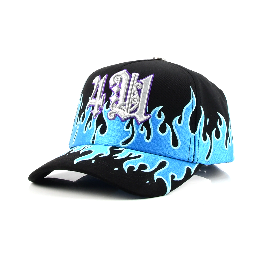
Pattern drafting stops being a trial-and-error exercise when you treat the body as a set of measurable planes rather than a collection of curves to be approximated. Start with a full set of cross measurements, not just the usual bust, waist, and hip. Front and back width, shoulder slope, armhole depth, and crotch curve length each remove a variable that would otherwise force you to adjust later. Once those numbers are on the table, the pattern falls into place through direct arithmetic instead of intuition.
The second half of the process is building a sloper that fits without easing, pinching, or letting out seams. Check the sloper on a dress form or on the body with a rigid set of balance lines drawn from neck to hem. Any drag or pull points to a missing measurement, not a fabric flaw. Correct the sloper once, transfer the changes to every derived style, and you no longer draft with hope—you draft with repeatable, verifiable numbers.
Stitching That Stands Up to Daily Wear
Most seams fail because the thread gives out long before the fabric does. That's why this stitching skips the standard cotton-poly blends and uses a high-tenacity nylon core wrapped in polyester. It's the same stuff you'll find in climbing harnesses and motorcycle gear, chosen specifically for its resistance to abrasion and sudden stress. Every stress point—shoulder straps, pocket corners, belt loops—gets a bartack or a double row of lockstitches. Nothing here is decorative.
Think about the repeated motion of pulling a wallet out of a back pocket or swinging a bag onto your shoulder. Cheap stitching stretches, then snaps, usually at the worst possible moment. This construction is designed for exactly that kind of wear. The seam allowance is wider than typical, so the fabric has room to flex without tugging at the thread. And because the stitches are set slightly deeper into the material, they don't rub against skin or other surfaces. The result is a seam that stays flat and intact after months of use, not weeks.
The proof is in the details: you won't see loose threads hanging off the edges, and the stitching lines remain straight even after repeated washing or rough handling. That's not luck. It's the difference between a garment built to be worn and one built to be photographed.
Embroidery Details That Make It Yours
Most embroidery feels like an afterthought — a generic flourish stitched near the hem, identical on every piece that leaves the factory. But the details that actually make a garment feel like yours are smaller, stranger, and far more personal. It’s the slight wobble in a hand-drawn monogram, the vine that curls the wrong way on purpose, the thread color matched to a memory rather than a color chart. These imperfections don’t read as mistakes; they read as evidence that a person, not just a pattern, was involved.
Think about the places your own hands rest or your eyes linger: the inside of a cuff, the edge of a collar, a patch hidden just below the hem where only you know it exists. Putting embroidery there changes the relationship you have with the piece. It becomes a private signal instead of a public label. One stitch at a time, the garment stops being a product and starts being a record of choices only you would make.
The real marker of “yours” is not the complexity of the design but the specificity of it. A row of chain stitches echoing the outline of a favorite hiking trail. A single star copied from an old notebook margin. A phrase abbreviated to the point that no one else can decode it. Embroidery like this takes patience, but it gives back something no mass-produced piece can — the quiet certainty that nothing else in the world is stitched the way this one is.
The Final Lookover Before Shipping
Before the box gets sealed, each order sits on the packing bench for one last pass. We hold the item next to the order slip and go over it under direct light, checking for fine scratches, stray threads, or dull spots that earlier steps could have missed.
Anything with moving parts gets a quick hands-on test—buttons are pressed, zippers run back and forth, edges are felt for rough patches. If the order includes multiple pieces, everything is counted and arranged on the wrap paper before it’s tucked in.
Only after the shipping label is matched against the order do we reach for the tape. This last lookover is intentionally unhurried; it’s the step that turns a routine shipment into something that arrives feeling thought about.
Boxed Up and Ready for the Spotlight
There's a particular kind of satisfaction in seeing a product finally make it into its box. Not just tossed in with a wad of tissue paper, but nestled, arranged, almost staged. That moment when the fold lines align and the lid slides shut without a fight—it's a small victory most people never notice, but it sets the tone for everything that follows.
Once the tape is down and the corners are still crisp, the package stops being a container and starts acting like a quiet introduction. It doesn't need to shout or flash a dozen badges. A clean silhouette, a well-chosen texture, maybe a hint of color at the edge—that's enough to make someone pause before they even know what's inside. It's the kind of detail that turns a routine delivery into something worth opening slowly.
By the time it reaches the spotlight—whether that's a store shelf, a photo backdrop, or a living room table—the box has already done half the work. It holds the promise of what's waiting under the lid. And if everything inside was placed with the same care as the packaging itself, the first impression doesn't fade; it just gets confirmed with each layer peeled back.
FAQ
We usually work with cotton twill, brushed cotton, polyester, and wool blends. Cotton twill is the workhorse—durable and holds embroidery well. Brushed cotton gives a softer, vintage feel. Polyester is great for moisture-wicking performance caps, and wool blends offer a more structured, premium look. The material choice really drives both the silhouette and how the custom logo or design sits on the crown.
Sure. It starts with a design consultation—we go over your logo, preferred colors, and any reference caps you like. Then we digitize the artwork for embroidery or prepare print files for other decoration methods. Next, we source or cut the fabric panels and stitch the crown. After that, the brim is attached and the closure is added. Decoration happens either before or after assembly depending on the technique. Finally, every cap goes through a quality check and steams for a crisp finish before packing.
Popular options include 3D puff embroidery, flat embroidery, screen printing, heat transfer, and woven patches. Embroidery, especially 3D puff, tends to last the longest because the thread is physically stitched into the fabric. Screen printing works well for larger, bold designs but can crack over time with heavy washing. Heat transfer offers photorealistic detail but may fade faster. For longevity and a premium feel, we usually steer clients toward embroidery.
We’re flexible, but our sweet spot is usually 50 pieces or more for custom manufacturing because of setup costs for cutting and embroidery. For smaller runs, we can sometimes do 25 pieces but the per-unit price goes up. We’ve also done one-off samples for design approval. Just let us know your quantity upfront and we’ll tailor the production approach—whether it’s using stock panels for small orders or fully custom-cut fabric for larger runs.
Every cap goes through multiple checkpoints. After cutting, we inspect panels for flaws or off-grain fabric. After stitching, we check seam allowances, crown symmetry, and brim curvature. Before decoration, we verify logo placement and thread tension. Once finished, we do a 100% visual inspection—no loose threads, correct closure, proper sizing. We also randomly pull caps from each batch for a more detailed stress test, like checking the button attachment and sweatband stitching.
For a standard order of 100–500 pieces, it usually takes about 3–4 weeks after design approval and deposit. That includes fabric sourcing, cutting, sewing, decoration, quality control, and packing. Rush orders can sometimes be turned around in 10–14 days if we have the materials in stock, but that comes with an expedite fee. Large orders over 1,000 pieces might stretch to 5–6 weeks depending on decoration complexity.
A structured cap has a stiff buckram lining in the front panels, so it holds its shape even when not worn—think classic New Era style. An unstructured cap has no stiff lining, so it’s softer and more relaxed, often with a lower profile and a natural slouch. Choose structured if you want a bold, consistent silhouette with lots of embroidery. Choose unstructured if you want a casual, worn-in look that’s easy to pack and comfortable for all-day wear.
Conclusion
A baseball cap only feels effortless when the factory work behind it is anything but. It starts with fabrics chosen for grip and recovery, not just shelf appeal—cotton twills that hold a curved brim, performance blends that shrug off sweat and sunlight. Pattern drafting is done from actual head measurements, not generic templates, so every panel meets without puckering or guesswork. Stitching goes beyond basic assembly: seams are reinforced at stress points, and stitch counts are tuned so the cap keeps its shape after months of daily wear, not just the first week.
Personal touches come through in embroidery that reads sharp up close, whether it is a small side logo or a bold front crest, with thread colors matched under daylight instead of relying on screen approximations. Before anything leaves the floor, each cap receives a hands-on inspection—loose threads trimmed, brim symmetry checked, sweatband seated flat. Then it is packed in a way that protects the crown and brim during transit, so when the box opens, the cap looks as crisp as it did at the final check. That is the whole route from raw fabric to a piece ready for the spotlight.
Contact Us
Contact Person: Tommy
Email: [email protected]
Tel/WhatsApp: 8613546956008
Website: https://www.4ugearsupply.com/