
China Outdoor Socks Factory: Crafting Durable and Breathable Hiking Essentials
2026-06-01
When you're miles into the backcountry, every detail counts—especially what's on your feet. The right pair of hiking socks can mean the difference between a summit conquered and a blister-filled retreat. At the heart of this performance gear is Fuli Socks, a leading outdoor socks factory in China that combines advanced knitting technology with decades of expertise to craft socks that are as tough as the trails you explore. But what really sets their designs apart? From moisture-wicking merino blends to reinforced heels and toes, each pair is engineered for breathability and durability without sacrificing comfort. In this post, we'll pull back the curtain on how Fuli Socks turns raw materials into trail-ready essentials, and why their factory is becoming a go-to for brands worldwide. Whether you're a weekend warrior or a thru-hiker, understanding the craftsmanship behind your gear will change the way you step outside.
Where Durability Meets Trail-Tested Design
Every seam, stitch, and material choice is deliberate—built to handle abrasive rock gardens, sudden downpours, and the general abuse that comes with hundreds of miles under open skies. We’ve spent years refining the balance between ruggedness and weight, so you don’t have to sacrifice agility for toughness. The result is gear that stays reliable when the trail gets raw and unscripted.
Trail testing isn’t an afterthought; it’s embedded in the design cycle itself. Prototypes are dragged through alpine scree, soaked in creek crossings, and left out in high-desert sun for months. Those real-world scars inform everything—from reinforced high-wear zones to weatherproofing that actually breathes. This process ensures that by the time something reaches you, it’s already survived conditions most weekend adventures won’t ever see.
The payoff is a quiet confidence in your equipment. There’s no need to baby it or keep a running mental list of potential failure points. Just grab your pack, lace up, and go—because the durability isn’t a marketing claim, it’s baked into how the design holds up step after forgotten step.
Breathable Fabrics That Outlast the Climb
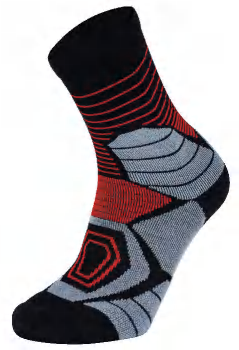
When you’re halfway up a granite face with the sun beating down, the last thing you want is fabric that traps heat and moisture. The best climbing apparel uses advanced breathable materials that allow air to circulate close to your skin while still offering the abrasion resistance needed for rough rock. Think of it as a second skin that works with your body’s natural cooling system, not against it. These fabrics often incorporate micro-ventilation zones or open-weave structures that expel sweat vapor instantly, keeping you dry and focused on the next hold rather than your discomfort.
Durability in climbing gear isn’t just about surviving a single season—it’s about enduring countless scrapes against sharp edges and repeated washes without losing performance. Innovative yarn blends, such as those combining nylon with elastane, strike a balance between stretch and strength. Reinforced panels in high-wear areas like the shoulders and knees prevent premature breakdown, while flatlock seams minimize chafing and tearing. The result is apparel that maintains its breathability and shape even after years of use, making it a reliable companion for every ascent.
What truly sets apart these breathable fabrics is their ability to adapt to changing conditions. Whether you’re caught in a sudden alpine chill or sweating through a desert approach, the material adjusts its permeability to regulate temperature. Moisture-wicking treatments accelerate drying time, while anti-odor properties keep things fresh on multi-day trips. By choosing gear that prioritizes both ventilation and ruggedness, you invest in clothing that won’t let you down when the route gets demanding—and that’s the kind of reliability every climber deserves.
From Factory Floor to Mountain Peak: Our Process
It starts with raw materials arriving at our workshop—not some sterile assembly line, but a place where hands still guide much of the work. Every seam, every stitch, gets attention that automated systems can't replicate. We’ve kept the floor small on purpose, because when you're making gear meant for thin air and rough rock, you need to trust that someone was actually watching.
From there, the prototypes head out. Not to a lab with controlled conditions, but straight into the kind of weather that makes most people stay inside. Our team lugs early versions up ridges, across scree fields, and through overnight frost. Failures happen—zippers jam, seams leak—but that's the point. We’d rather catch a flaw at 10,000 feet than have you discover it halfway up your own climb.
That feedback loop tightens with every trip. Adjustments get scribbled on notepads, then implemented back on the factory floor within days. It’s a constant back-and-forth until we’ve got something that feels like it belongs on the mountain. No marketing hype, just gear that’s earned its place through grit and repetition.
Engineered Fit for Long-Haul Comfort
We’ve moved beyond standard sizing to develop a fit that genuinely supports your body when hours blur into days. The shoulder seams are strategically repositioned to eliminate pressure points under backpack straps, while the sleeve length is subtly extended so cuffs never ride up when reaching overhead. This isn't just about measurements—it’s about anticipating how fabric and body interact during continuous movement and stillness alike.
The torso is cut with a gentle taper that mirrors natural posture rather than fighting it, giving you unrestricted breathing room without excess bulk. Articulated elbows prevent bunching when arms are bent for long periods, and the slight curve in the hem counters the tug that typically happens when seated. Every panel was rethought to follow the body’s preferred range of motion, not an idealized static silhouette.
Even the fabric choice ties into the fit: a carefully balanced blend that stretches where needed and stays structured elsewhere. This means no mid‑trip sagging and no awkward cling after hours of wear. The result is a quiet confidence—clothing that lets you forget about it entirely, whether you’re navigating a foreign terminal or watching the sunrise from 35,000 feet.
Sweat-Wicking Technology Built for the Backcountry
When you're miles from the nearest trailhead, dealing with damp, clingy fabric isn't just uncomfortable—it can be dangerous. Our sweat-wicking system is designed specifically for the unpredictable demands of backcountry travel, pulling moisture away from your skin the moment you start to heat up. Rather than relying on chemical coatings that wash out after a few trips, the fabric itself is engineered with a capillary structure that accelerates evaporation, keeping you dry even during steep climbs or sudden rain showers.
The secret lies in the yarn blend and knit pattern, which create millions of micro-channels to spread sweat across a larger surface area. Instead of feeling wet and heavy, the material stays lightweight and breathable, adapting to your body's output as conditions change. We tested it on multi-day traverses and alpine starts, dialing in a balance that works hard without ever feeling clammy against the skin on a chilly morning descent.
Durability matters when you're bushwhacking through scrub or scraping against granite. That's why the wicking performance is integrated into the fiber—it won't degrade with wash or wear. The result is gear that handles everything from blistering exposure to damp forest floors, so you can focus on the route ahead instead of what you're wearing.
Why Experienced Hikers Trust Our Every Stitch
After miles on the trail, hikers develop an eye for gear that's built to last—and for weak points that aren't. They've had seams unravel at the worst moments, so they inspect stitching like a second nature. Our packs and shelters earn their trust because we reinforce every stress point with bartack stitching and use threads that resist abrasion long after the tread wears thin. It’s the kind of detail you only notice after you’ve had other gear fail on you.
Trust isn't built in a gear shop; it’s earned on ridge lines and in howling wind. Seasoned hikers have shown us that when a strap holds through a scramble or a tent stays taut in a storm, they remember. Our stitches have kept gear intact from the Pacific Crest Trail to the Appalachian Trail—long after zippers and seams on lesser packs gave out. That’s why they come back, and why their friends start asking questions.
FAQ
They're built with reinforced heels and toes, moisture-wicking fabrics, and double stitching at stress points—details that keep blisters and premature wear at bay even on rocky trails.
Breathable mesh panels along the instep let heat escape, while a blend of quick-dry synthetics pulls sweat away from the skin, so you're not squelching after a creek crossing.
Absolutely. A merino wool blend balances warmth and ventilation: cozy in the chill without turning into a sauna when the sun comes out, making them a go-to from spring through autumn.
Yes. The factory handles OEM and ODM orders with a low minimum, whether you want a unique colorway, logo embroidery, or a tweak to the cushioning layout.
Every batch goes through stretch-recovery tests, seam strength checks, and repeated wash cycles to ensure they don't sag, fray, or lose shape after hard use.
It combines decades of knitting know-how with modern circular machines, delivering hand-finished durability and consistent sizing at prices that don't inflate your gear budget.
Yes—there's a firm elastic band around the midfoot and targeted terry loops under the heel and ball, cutting down fatigue when you're logging miles with a heavy pack.
Triple-reinforced toe and heel pockets use a high-tenacity nylon blend, so they resist grinding inside boots and outlast typical lightweight hiking socks.
Conclusion
At this China-based outdoor socks factory, every pair is built with a singular focus: surviving the trail without sacrificing comfort. The design philosophy blends rugged durability with thoughtful, trail-tested features—reinforced heels and toes resist abrasion while strategic cushioning absorbs impact on rocky descents. Fabrics are carefully chosen not just to last, but to breathe, using advanced blends that maintain airflow even during steep ascents, keeping feet cool and dry mile after mile. The factory’s production process bridges the gap from raw materials to mountaintop, with each stage monitored to ensure consistency and quality, so hikers can rely on their socks when it matters most.
Beyond toughness and ventilation, the socks deliver an engineered fit that prevents bunching or slipping, promoting long-haul comfort without constant adjustment. Proprietary sweat-wicking technology actively moves moisture away from the skin, making them indispensable for backcountry treks where dampness can lead to blisters. It’s this attention to detail that has earned the trust of seasoned hikers—they know that every stitch serves a purpose, born from a factory that truly understands life on the trail.
Contact Us
Contact Person: Ryan Li
Email: [email protected]
Tel/WhatsApp: +86 13757342500
Website: https://www.fulisocks.com/