
Substantial Printed Loop Pile Carpet for Comfortable High-Traffic Spaces
2026-08-21
High-traffic spaces rarely forgive the wrong flooring choice. You need something tough enough to handle constant footsteps, yet soft enough to invite people in. That’s where a substantial printed loop pile carpet changes the equation. With its dense, resilient loops and bold print options, it brings both durability and visual energy to hallways, offices, or living areas that never slow down. At Senseco, we’ve seen this balance transform ordinary spaces into comfortable, enduring hubs. Here’s what makes this carpet the standout choice for your busiest rooms.
What 'Substantial' Really Means When You Step on This Carpet
Most people assume a carpet's quality is all about fiber type or pile height. Step onto this one, though, and you'll instantly notice the difference: it doesn't just cushion your foot, it pushes back with a quiet, confident firmness. That's substance. Not the flimsy, hollow feel of a bargain rug that buckles under your heel, but a dense, resilient foundation that keeps its shape step after step, year after year.
Bend down and press your palm into the surface. A genuinely substantial carpet resists compression without feeling hard, and you can feel the individual yarns working together rather than collapsing into a flat, lifeless mat. This kind of weight comes from a high stitch count and a backing that's built to anchor every tuft, not just hold them in place temporarily. It's the difference between walking on a thin blanket and walking on a floor covering that feels like it belongs in the room.
That sense of substance also translates to how the carpet behaves over time. Cheap carpets show wear paths within months, but a substantial one maintains its texture and bounce, even under heavy furniture or daily traffic. It doesn't just look impressive when it's new; it continues to feel solid and grounded, proving that what's underneath your feet matters just as much as what's on top.
Loop Pile's Quiet Resistance to Crushing and Matting
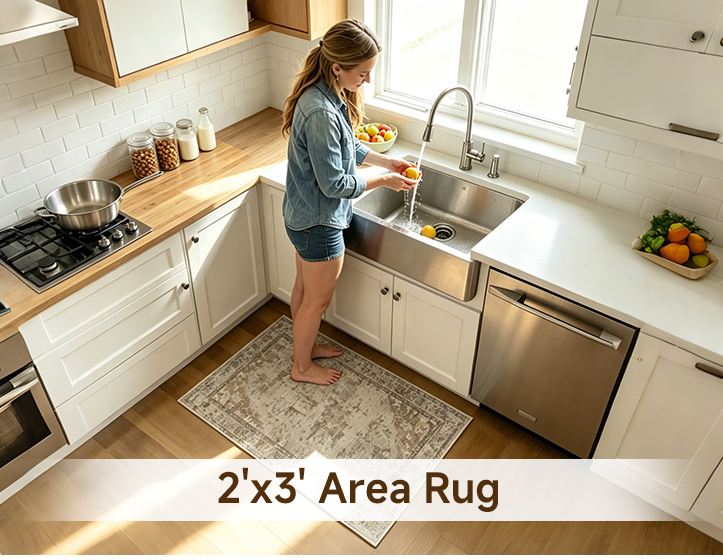
The secret to loop pile's endurance lies not in aggressive engineering, but in the way each fiber curls back on itself. Unlike cut pile, which leaves individual strands free to bend and flatten under pressure, loop pile maintains a continuous arch. That arch acts like a tiny structural bridge, distributing weight across its curve instead of allowing a single point to break down. It's why a well-trafficked hallway or a spot beneath a rolling chair rarely shows the telltale flatness you'd expect from softer, plusher carpets.
Matting, the slow tangling of fibers into dense, lifeless patches, gets quietly defeated by this same geometry. Because each loop is anchored at both ends, it resists the sideways friction that makes individual strands catch and knot together. You can feel the difference when you run your hand across the surface: there's a subtle spring-back, a refusal to lie down permanently. That resilience doesn't demand constant grooming or special treatments; it simply comes from how the yarn is formed, not from what's added on top.
What often gets overlooked is how this resistance plays out over years, not weeks. A cut pile carpet might look luxurious on day one, but by the third year, the high-traffic zones have started to surrender. Loop pile, by contrast, ages more evenly. The loops may compress slightly under heavy load, but they don't lose their identity. It's a quiet form of durability—one that doesn't advertise itself with branding or promises, but simply shows up every morning looking much the same as it did before.
Printed Designs That Outsmart Stains, Scuffs, and Shadows
Most printed surfaces start looking tired once coffee rings or muddy footprints settle in. A smart design changes that by using patterns that absorb the visual noise of everyday spills, so a small stain simply vanishes into the background instead of demanding a scrub.
Scuffs and scratches are inevitable, but the right print can make them nearly invisible. Instead of a flat, uniform color that highlights every mark, designers use organic textures, fine speckles, or layered geometric shapes that break up the surface visually, turning wear into part of the look.
Shadows can be trickier than stains because they shift with the light. A print with subtle tonal variation keeps a room from looking uneven when sunlight hits at an angle, and matte finishes cut down on harsh reflections that make scuffs more obvious. The result is a printed design that looks just as sharp after months of real life as it did on day one.
A Soft Landing for Feet That Spend Hours on Hard Floors
Standing on concrete for eight hours has a way of creeping into your knees and lower back before you even notice. The ache doesn't come from the floor itself, but from how little give it offers back. That's why the right pair of shoes—or a well-chosen insert—can turn a punishing surface into something closer to a firm mattress for your arches.
The trick isn't just extra cushioning; it's managing the transfer of force with every step. A dense but responsive midsole, deep heel cup, and a metatarsal pad that spreads pressure across the ball of the foot all work quietly to keep your joints from absorbing more than their share. Over time, that small change in mechanics means you're not counting down the minutes until you can sit.
The real test comes at the end of a shift. Instead of hobbling to the car, you notice your legs still feel ready for a short walk home. That's the soft landing doing its job—not by erasing the work, but by giving your feet a floor they can actually negotiate with.
Where This Carpet Makes the Biggest Difference: Mudrooms, Stairs, and Family Rooms
Mudrooms take a beating from wet boots, dripping umbrellas, and the occasional overturned plant pot. A dense, low-pile carpet with a textured weave hides most of that before the first vacuum pass, and it dries faster than you'd expect after a snowy afternoon. The real trick is choosing a color that doesn't announce every speck of dirt—think heathered browns or deep slate rather than anything resembling cream.
Stairs are where footfall gets concentrated on a narrow strip, and a plush carpet there can feel less like an upgrade and more like a hazard. Opt for a tight loop or a short cut pile that grips the tread without swallowing your foot. You'll notice the difference when carrying a laundry basket: the surface stays predictable, and the edges don't fray after six months of daily use.
Family rooms ask for a balance between softness and resilience, especially if there are kids, dogs, or both. A medium-height frieze or a patterned berber works because it forgives spills and still feels comfortable under bare feet during movie night. Pay attention to the backing—something with a moisture barrier saves the subfloor from juice boxes and the occasional pet accident, and that's where the carpet truly earns its keep.
How to Keep the Print Crisp Without Harsh Cleaning Products
Most people assume a crisp print means scrubbing the nozzle plate with strong solvents, but that's rarely necessary and often does more harm than good. Start by using a soft, lint-free cloth slightly dampened with distilled water. Gently wipe the printhead surface in one direction—never back and forth—to lift dried ink without pushing debris deeper into the nozzles. If you see stubborn residue, let the damp cloth rest on the area for a minute first. This softens the ink naturally, so you avoid scratching the delicate components.
Your printer's built-in cleaning cycle is another gentle tool that gets overlooked. Run it once after you've manually wiped the head, but skip the temptation to run it three or four times in a row. Each cycle draws a small amount of ink through the nozzles, which flushes out micro-clogs without any chemical contact. If the test page still shows gaps, wait an hour—sometimes the remaining ink rehydrates on its own and the next print comes out clean.
Finally, watch what you print on. Cheap, dusty paper sheds fibers that cling to the printhead and mimic clogged nozzles. Switching to a higher-quality, low-lint paper often restores crisp lines overnight. Store your printer away from direct sunlight and dry air as well, because low humidity makes ink thicken at the nozzles. A simple humidifier in the room during winter can keep the ink flowing smoothly, no aggressive cleaning products required.
FAQ
The dense loop pile construction resists matting and crushing, so it keeps its texture even with constant foot traffic. The printed pattern is designed to hide minor wear and dirt between cleanings.
It has a firm but cushioned feel that provides support without feeling hard. It's comfortable for standing and walking, but not so plush that it becomes difficult to move furniture or wheeled chairs.
The printing process uses colorfast dyes that are bonded into the fibers, so the pattern holds up well to regular vacuuming and occasional deep cleaning. It won't peel or crack like some printed surfaces.
Yes, the loop pile is tightly woven which makes it harder for pet claws to snag. Spills and accidents can be blotted up quickly, and the pattern helps mask any residual stains until a proper cleaning.
Weekly vacuuming with a suction-only attachment keeps debris from settling into the loops. For deeper cleaning, use a low-moisture carpet cleaner and avoid stiff brushes that could rough up the pile.
Absolutely. The substantial pile weight and reinforced backing are built for rolling chairs and constant use. It reduces noise and adds warmth compared to hard flooring, while still looking professional.
Printed loop pile allows for more intricate, multi-color patterns at a lower cost than woven alternatives. The pattern sits on the surface of the loops but is protected by the pile's density, so it remains crisp over time.
It works well in bedrooms if you want a low-maintenance floor that feels cozy without being too soft. Just use a quality underpad to add extra cushioning and lengthen the carpet's life.
Conclusion
Step onto this carpet and the word "substantial" stops being marketing talk. You feel a dense, almost springy layer underfoot that absorbs the shock of every step, so hours spent standing in a busy kitchen or hallway don't travel up into your knees and back the way they do on thinner rugs. The secret sits in the loop pile construction, which refuses to flatten under constant foot traffic. Unlike cut pile that bends and mats over time, these tight loops act like thousands of tiny springs, bouncing back after each pass of shoes, paws, or rolling chairs. The result is a floor covering that keeps its plush, even texture in entryways and family rooms where lesser carpets develop worn trails within months.
The printed design isn't just for looks, though it certainly masks the everyday chaos of high-use spaces. The pattern works with the loop structure to hide scuffs, shadows, and the occasional drop of mud tracked in from the garage. Because the color is printed deep into the fiber rather than sitting on the surface, stains don't have an easy foothold, and a quick pass with a vacuum or a damp cloth restores the crisp lines without harsh chemicals. You'll notice the biggest difference in mudrooms, on stair treads, and under the coffee table where kids and pets gather, but honestly, once you feel this carpet underfoot, you may find yourself looking for excuses to install it in every room that sees real life.
Contact Us
Contact Person: Ivy Yin
Email: [email protected]
Tel/WhatsApp: +86 18519681805
Website: https://www.sensecomarketing.com/